A little space. A growing practice.
Make room for something green.
Useful guides for choosing containers, understanding your plants, and growing in the space you already have.
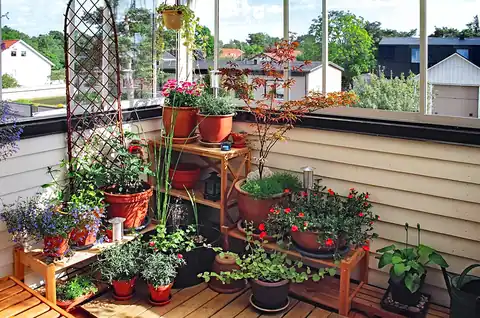
Small-Space PlanningA bright balcony is not necessarily a sunny planting site. Before choosing crops, find out where direct sunlight actually lands, how long it stays, and what blocks it. A short record of your own space is more useful than a label such as “south-facing” on its own.
Read article → 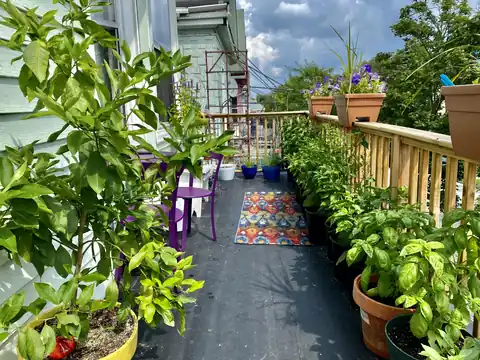
Small-Space PlanningStart a small garden layout with the space you need to use every day. Mark the door, your route through it, and the places you must reach before deciding where the pots belong. A garden that makes watering, sitting down, or carrying groceries awkward needs a different arrangement.
Read article → 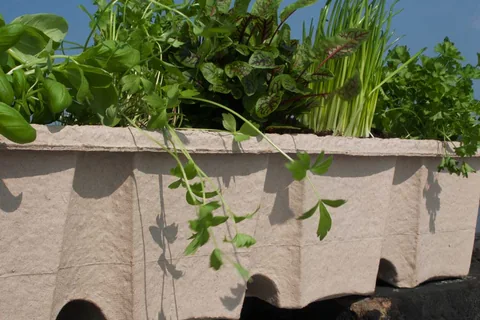
Small-Space PlanningChoose the routine before choosing the crop. A container garden needs someone to notice changing conditions, supply water, and deal with growth. Begin with the care you can reliably provide during a busy week, including a hot spell, rather than the time you hope to have on an ideal weekend.
Read article → Small-Space PlanningWind creates two different planning problems: a plant can dry out or suffer damage, and garden objects can become unsafe. Horticultural advice can help with the first problem. It cannot establish the structural capacity of your balcony or certify that an attachment, screen, or container will remain secure in a storm.
Read article → Small-Space PlanningA small freestanding garden is easier to reconsider than a collection of fixed planters. Before buying anything, check what your agreement and building rules permit, where drainage can go, and how you will remove the garden later. “No drilling” does not automatically mean permitted, harmless, or easy to move.
Read article → 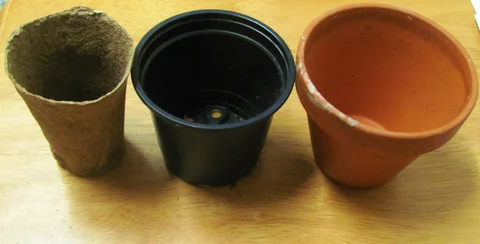
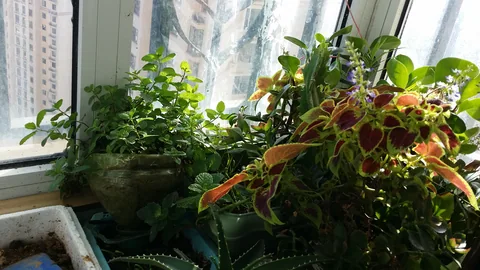
Plant CareRemove ordinary dust with the gentlest method suited to the leaf. The aim is a clean surface you can inspect, not an artificial shine or a home-made coating.
Read article → Plant CareHarvest leafy herbs by cutting the right part of the right plant. A branching basil stem, a parsley leaf stalk, and a woody rosemary shoot should not receive one universal pruning treatment.
Read article → Plant CareChoose a support for the plant's mature habit and install it while access is easy. A tall trellis is useful only when the container and its placement can remain stable.
Read article → Plant CareDuring a hot spell, check the root zone more often and reduce avoidable exposure. A wilted leaf can indicate heat stress even when the pot contains enough water.
Read article → Plant CareUse the forecast and the plant's cold sensitivity to decide which pots need moving or covering. A sheltered wall and a thin cover are not substitutes for suitable temperatures.
Read article → 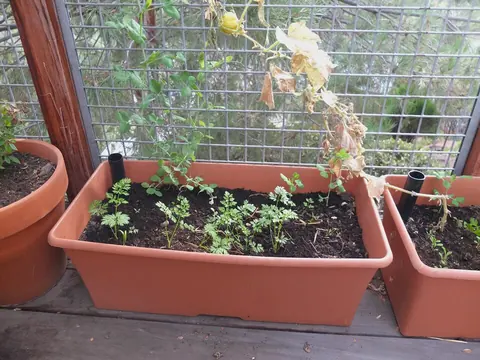
Plant CareA useful trip plan starts with a trial while you are still home. Match assistance or equipment to each pot, and leave instructions that distinguish checking moisture from watering automatically.
Read article → 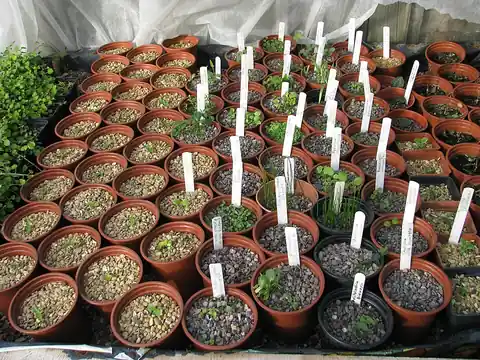
Plant CareUse the crop's final spacing to decide which seedlings can stay. Removing a few early is usually less disruptive than waiting for crowded roots and stems to become inseparable.
Read article → 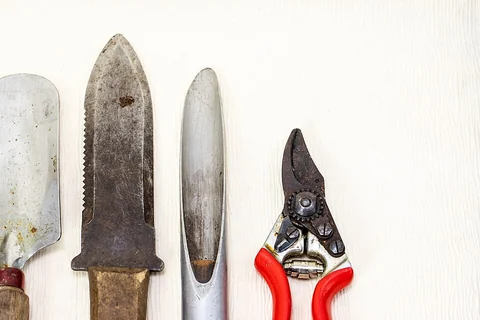
Plant CareRemove debris before choosing a disinfectant. Clean-looking blades and pots can still carry plant pathogens, and a product needs the right surface, use directions, and contact time to be useful.
Read article → 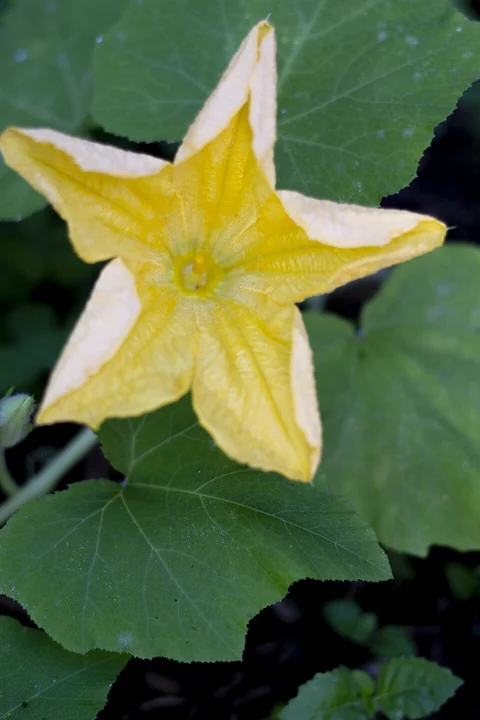
Plant CareHand pollination can help when a squash has receptive flowers but inadequate pollen transfer. First distinguish male and female flowers; an immature fruit beneath a blossom does not prove successful pollination.
Read article → Plant CareKeep the facts that change your next care decision: what the root zone felt like, what you applied, and how the plant changed afterward. A useful plant log is a working record, not a requirement to describe the garden every day.
Read article → 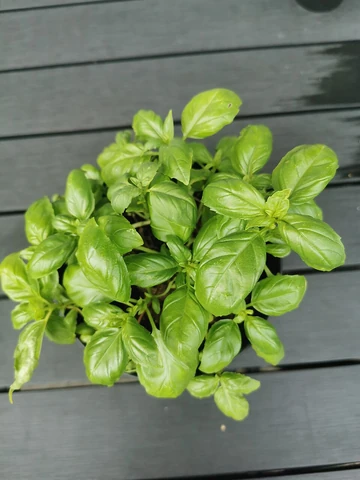
Plant Guides & TroubleshootingUseful basil starts with a plant you can keep actively growing and harvest regularly. For sweet basil, Ocimum basilicum, a sunny position and a draining root zone belong together. A bright location does not excuse leaving water trapped around the pot.
Read article → 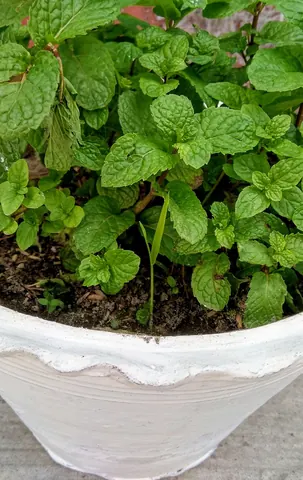
Plant Guides & TroubleshootingMint is a useful candidate for a separate pot because its spreading habit can complicate a shared planting. Give it a space you can inspect on all sides, rather than squeezing it among herbs you intend to keep for several seasons.
Read article → 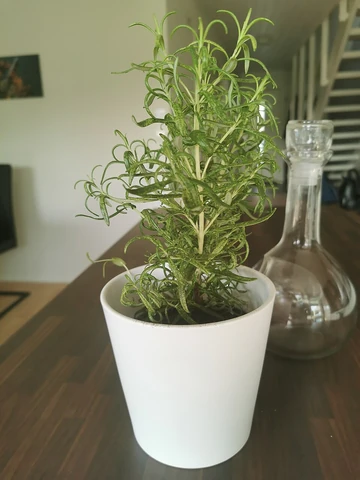
Plant Guides & TroubleshootingA rosemary plant can struggle in a damp pot even when its foliage looks dry. Before adding water, examine the growing media, the outlet, and the light available to the plant. Repeating one response to every symptom can make the original problem harder to understand.
Read article → 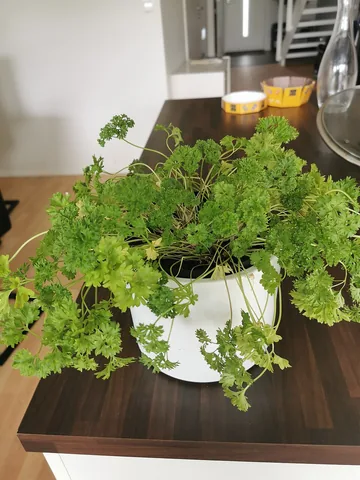
Plant Guides & TroubleshootingParsley is a crop worth labeling when you sow it. Its slower emergence can make an apparently empty container tempting to reuse before the seedlings have had a fair chance. Mark the sowing date, keep the seed packet, and make room for the plant you intend to harvest.
Read article → 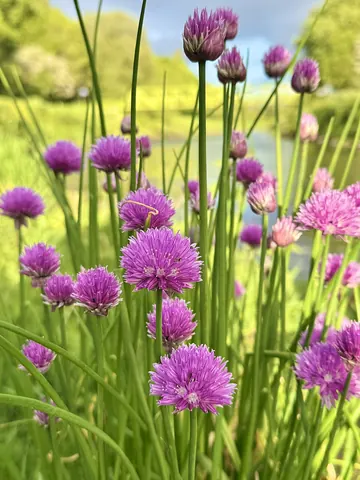
Plant Guides & TroubleshootingA pot of chives suits the cook who wants a small amount at a time. Its clump of slender leaves makes it easy to take a few for a meal and leave the remainder growing. The useful habit is to inspect the plant as you harvest, rather than cutting automatically whenever you pass it.
Read article → 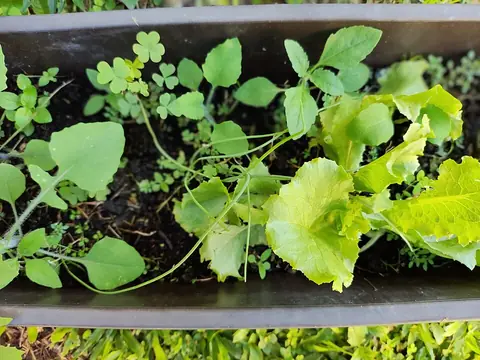
Plant Guides & TroubleshootingLettuce is easier to plan when harvest is treated as a stage to reach rather than a container to keep indefinitely. Choose the type of leaves you want, sow for an appropriate local growing period, and begin picking while their quality is useful.
Read article → 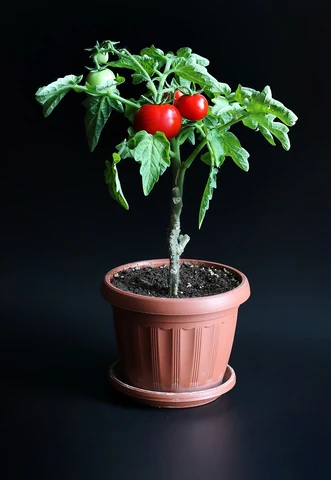
Plant Guides & TroubleshootingThe most useful words on a tomato label may describe the plant rather than the fruit. A photograph of a small cherry tomato does not tell you that its vine will be small. Before purchasing, find the cultivar's growth habit and expected mature size.
Read article → 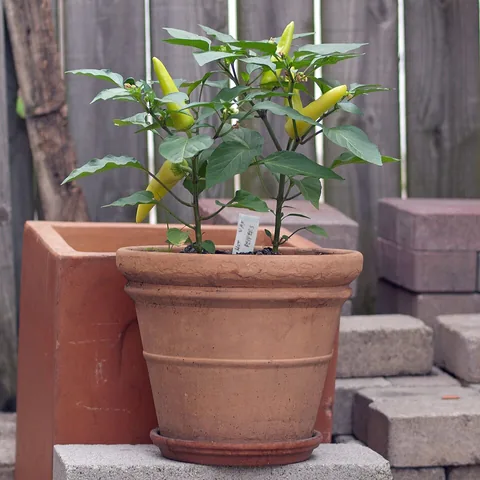
Plant Guides & TroubleshootingA pepper that sits still after planting may be responding to its conditions rather than asking for more fertilizer. Start by looking at the weather and root-zone moisture, then examine the plant's stage and cultivar. A small container garden makes it possible to keep that history for each plant.
Read article → 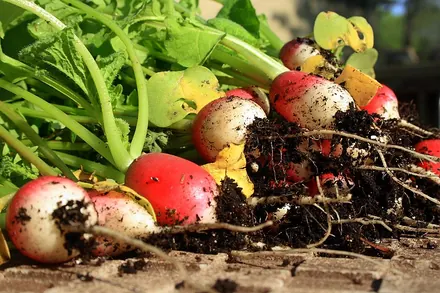
Plant Guides & TroubleshootingRadishes can produce an impressive patch of leaves while the part you intended to harvest remains disappointing. Before blaming the seed, check what type you planted, how much space it received, and whether you inspected it at the right stage.
Read article → 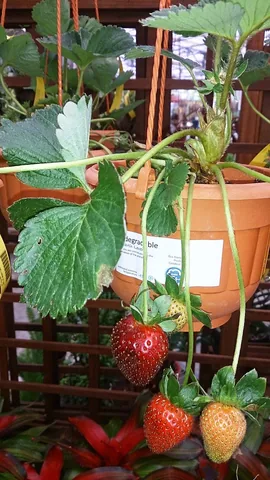
Plant Guides & TroubleshootingBefore planting a strawberry, identify its crown: the short central part connecting the roots with the leaves and new growth. Positioning that structure matters more than making the pot look full immediately. Do not use extra growing media to hide it.
Read article → 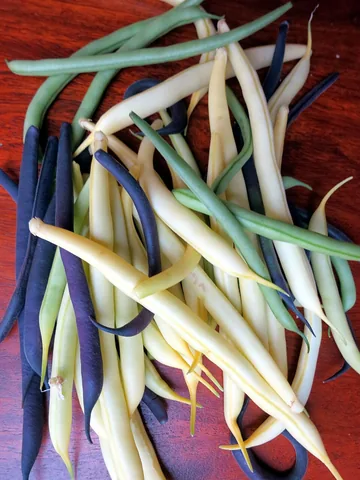
Plant Guides & TroubleshootingA dwarf or bush bean does not need the climbing framework of a pole bean. For a small container project, begin by confirming the habit and deciding what you intend to harvest. Support should answer an actual need in the setup, rather than turning every bean into a climbing crop.
Read article → 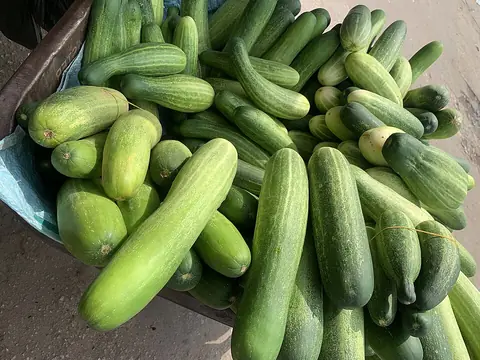
Plant Guides & Troubleshooting“Compact cucumber” can mean a smaller plant habit, a container recommendation, or a description of the fruit. Before choosing a trellis, find the cultivar's actual vine length and growth habit. A short cucumber fruit does not necessarily arrive on a short vine.
Read article → 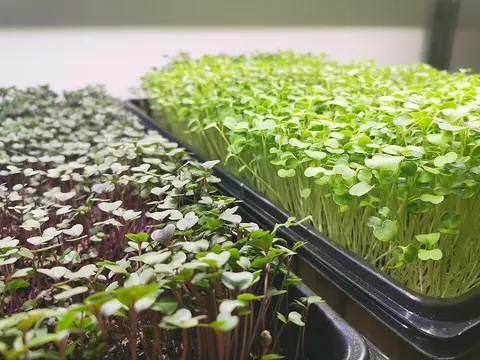
Plant Guides & TroubleshootingBegin a first microgreen project with one small tray and one identified edible crop. That makes the seed instructions, growth stage, and daily checks easier to follow than a mixture of seedlings developing at different rates.
Read article → 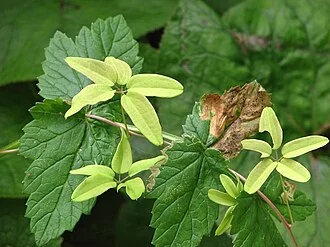
Plant Guides & TroubleshootingYellowing is a useful observation, but it does not name the problem. Before feeding a plant, record which leaves changed, what changed in its care, and what the growing media feels like. A diagnosis that begins and ends with leaf color can send you toward the wrong treatment.
Read article → Plant Guides & TroubleshootingPause before watering a wilted plant. The first useful question is whether its roots are short of available water or are struggling in an already wet environment. The leaves alone do not distinguish those situations.
Read article → 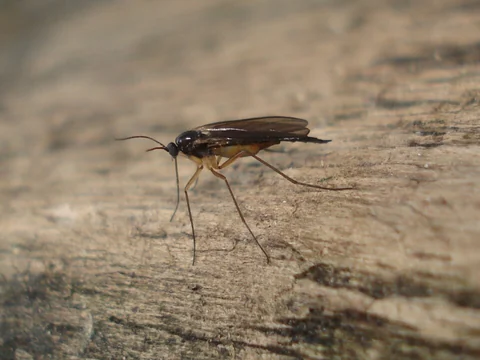
Plant Guides & TroubleshootingTiny flies near a pot are a reason to inspect, not enough to name a pest. Look at where they gather, what they look like, and whether the growing media remains wet. Fruit flies, shore flies, and other small insects can be mistaken for fungus gnats.
Read article → 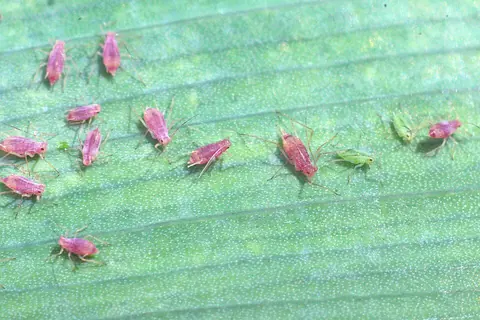
Plant Guides & TroubleshootingTurn a shoot gently and look beneath its youngest leaves when checking a container plant. Aphids often gather where tender growth is developing, so a quick glance at older outer foliage can miss them. Find the insects before choosing a response.
Read article → 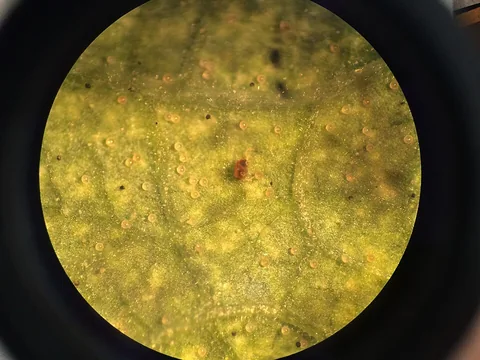
Plant Guides & TroubleshootingFine pale speckling on a leaf deserves a closer look beneath it. Spider mites are one possible cause, but a damaged leaf and an ordinary spider's web are not enough to diagnose an infestation. Look for several kinds of evidence in the same area.
Read article → 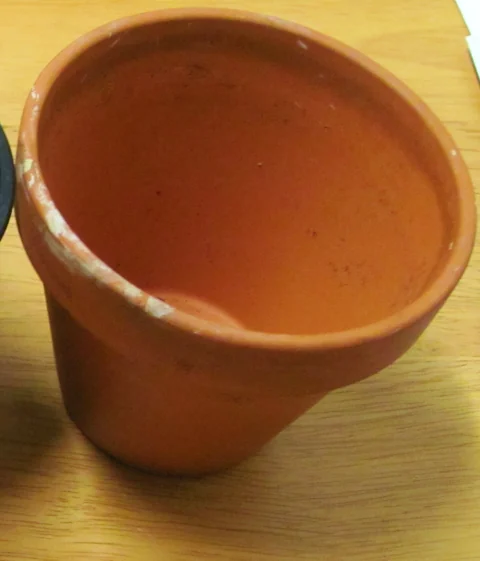
Plant Guides & TroubleshootingA pale surface deposit is an observation, not a chemical analysis. Before scraping it away or applying a fungicide, describe where it occurs, how it looks, and what has been added to the container. White material on growing media can lead to very different investigations.
Read article → 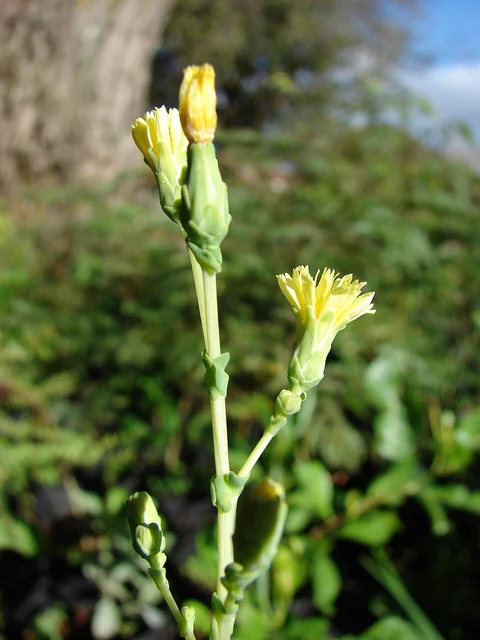
Plant Guides & TroubleshootingA leaf crop that raises a central flower stalk is changing its growth stage. That transition deserves a different decision from an ordinary watering or feeding problem. First establish which crop you have and whether the new structure is reproductive growth.
Read article → 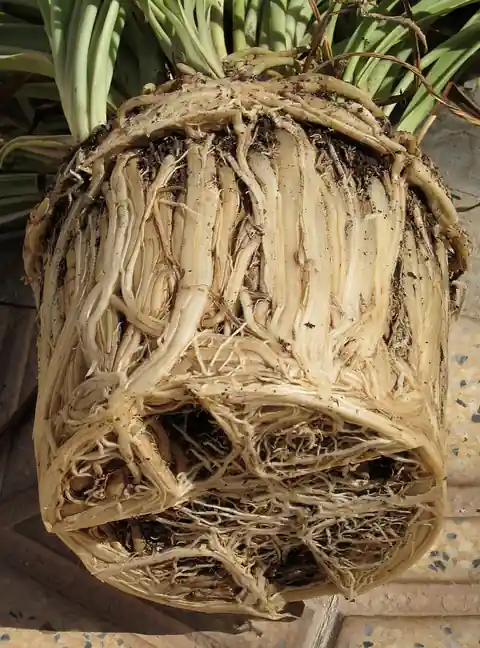
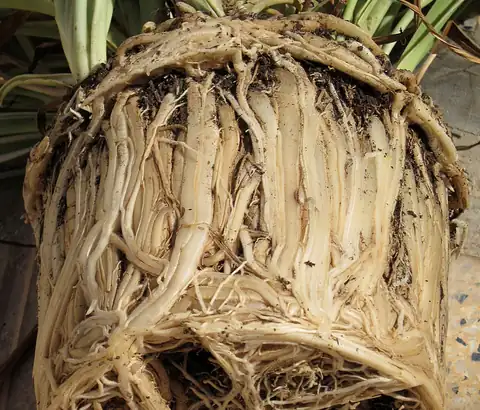
Plant Guides & TroubleshootingA plant that stops extending leaves may need a root inspection, but it does not automatically need a larger pot. Check the growing conditions and the root ball together before buying another container. Crowding, damaged roots, unsuitable media, and ordinary seasonal slowdown lead to different decisions.
Read article → 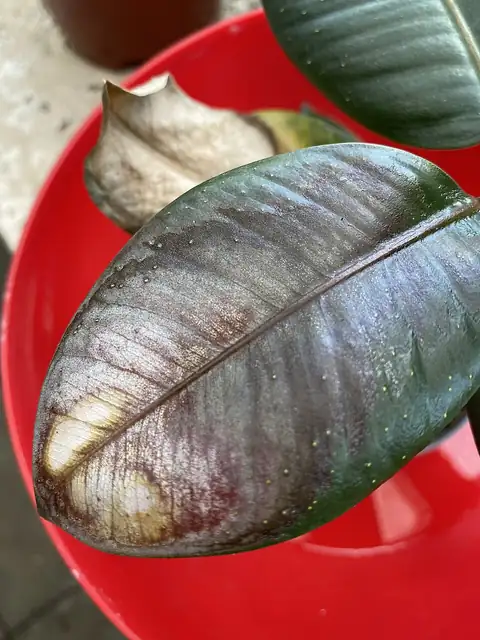
Plant Guides & TroubleshootingPale damaged patches after a move into stronger light should prompt a review of exposure as well as moisture. Giving more water is not a reliable response to every bleached leaf. Start with where the plant was, where it moved, and when the damage appeared.
Read article →  Indiiramma Garden