 Indiiramma Garden
Potting Mix and Garden Soil Are Different Tools
Read growing-media labels and choose a container product for the plant and watering system.
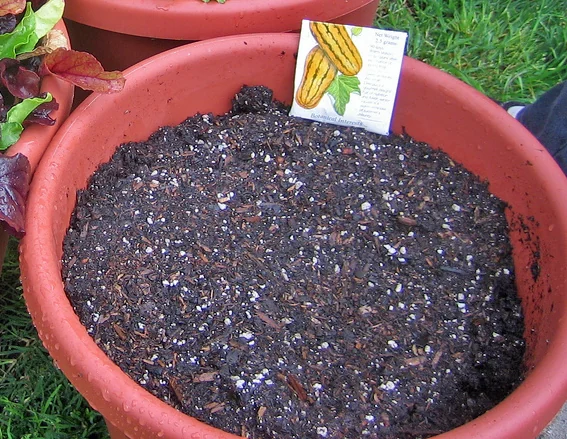
A patch of garden soil may support healthy plants outdoors and still be a poor choice for filling a pot. The container changes the growing environment. Roots have a confined volume, and the material inside must manage air and water within that space.
University of Illinois Extension recommends a well-aerated container medium that drains while retaining useful moisture. It cautions against using garden soil by itself because drainage and aeration can be unsuitable, and weed seeds or pathogens may be present. Illinois container gardening guide
The practical question is what the material is intended to do, rather than whether it looks dark, rich, or familiar.
Begin with the label's intended use
At the store, compare products by their stated application. Does the bag identify container planting, an outdoor bed, or a particular plant group? Read beyond the large product name. Words such as “soil” and “mix” can appear in marketing without explaining the complete formulation.
Check the ingredient list and any information about added nutrients. Keep a photograph of the label, including its directions. That gives you something concrete to consult later if you need to review watering or feeding, instead of trying to remember which of several similar bags you purchased.
Do not assume that a bag contains fertilizer just because the front shows vigorous plants. Equally, do not automatically add a second fertilizer without finding out what is already included.
Choose for the plant you are growing
An all-purpose product is a starting category, not a promise that it meets every plant's needs. Illinois Extension's houseplant guidance notes that some plants require a particular media type. Find that requirement before trying to improve a mix with a handful of another ingredient.
For a mixed container, make the plant list first. If the plants have incompatible growing requirements, changing the recipe may not resolve the problem. Separate containers can be easier to manage than searching for one blend that supposedly suits everything.
If you are using a reservoir planter, consult its media instructions before shopping. Product suitability and container design belong in the same decision. A recipe copied from an unrelated pot is not evidence that it will wick appropriately in your system.
Avoid the ingredient guessing game
Recipes that include mineral soil do exist in extension publications. Their existence does not mean unamended soil is suitable in every container, or that any scoop of compost, sand, or perlite will correct an unknown blend. A small-space beginner does not need to invent a formulation to start planting.
Choose a product with a clear intended use, follow its directions, and record what you used. If the pot later behaves unexpectedly, review the container, outlet, watering practice, plant, and media together. Replacing one ingredient without examining the rest can create another round of guesswork.
What the sources establish
The Illinois publications support choosing suitable container media and treating unamended garden soil cautiously. They do not certify every commercial bag as sterile or nutrient-complete. No brand, universal recipe, or fertilizer dose is endorsed here, and this article does not diagnose contaminated soil.