 Indiiramma Garden
Choose a Pot by Root Room, Not Just Diameter
Compare internal depth and usable media volume with the requirements of the plant you plan to grow.
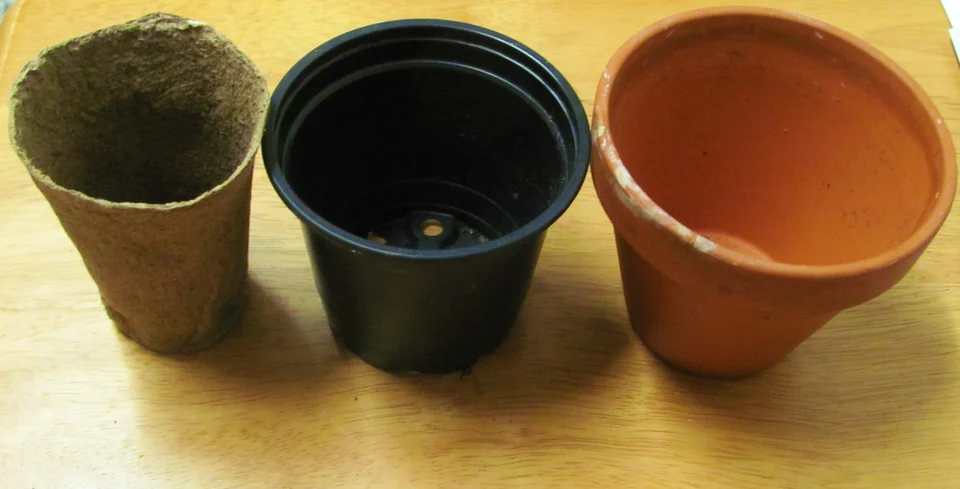
Two containers can have the same width across the rim and offer very different growing spaces. One may taper sharply toward its base; another may be shallow beneath a generous opening. Before buying either, work out what space the roots will actually occupy and where the mature plant will stand.
A useful comparison needs three things: internal depth, usable volume, and the growth requirements of the particular plant. A decorative pot's outside measurement cannot answer all three.
Read the container from the inside
Look past a broad lip or rolled rim. Measure down to the inside bottom, then check whether a raised base, insert, or built-in reservoir occupies part of that depth. A tall outer shell does not necessarily mean a tall column of growing media. If the seller lists capacity, establish whether it describes the entire vessel or the space available above an insert.
Leave room for the watering arrangement the container requires. A pot intended for top watering needs space to receive water without immediately spilling mix over the rim. A reservoir planter has its own fill level and assembly instructions. Do not count water-storage space as additional root media simply to make the numbers look more generous.
Record the measurements on a small card or your phone. When comparing pots in different shops, use the same units and distinguish internal dimensions from packaging dimensions. A label reading only “large” offers little help.
Match the plant, including its future size
The University of Maryland Extension recommends considering both root growth and top growth when choosing container size. Its guidance explicitly considers depth alongside total volume. This is a better starting point than fitting a small nursery pot into whatever decorative container is already available. Maryland container guidance
Find the cultivar name before checking a growing recommendation. “Tomato” may describe plants with very different mature habits. Note the number of plants the recommendation assumes, too: a container recommendation for one plant does not automatically accommodate a second.
For a root crop, investigate the expected root shape as well as the foliage. For a climbing crop, include the planned support in the layout. These questions help identify what must be verified; they do not establish a universal pot depth for every variety.
Compare the whole setup
Set a prospective pot where it will be used, or mark its footprint on a sketch. Include mature foliage, access for watering, and space to reach the drainage outlet. Consider how you will empty or relocate it later. A container that fits the plant but cannot be reached comfortably is an awkward purchase.
If you are gardening on a balcony, container capacity is not a building load allowance. Establish building-specific restrictions separately before filling large vessels. Do not use a nursery sizing table to decide what a structure can carry.
There is no reliable shortcut from rim diameter to capacity across every pot shape. Choose a container whose actual dimensions and usable volume you can establish, then compare those with guidance for the plant you intend to grow.
Source scope
The Maryland source supports the depth-and-volume approach for container vegetables and herbs. Its crop examples are guidance rather than a guaranteed harvest or a structural assessment. The measurement checklist here is an editorial planning method, not a tested container-sizing formula.