 Indiiramma Garden
Compare Plastic, Terracotta, and Fabric Pots
Choose container materials around moisture checks, handling, storage, and the actual product.
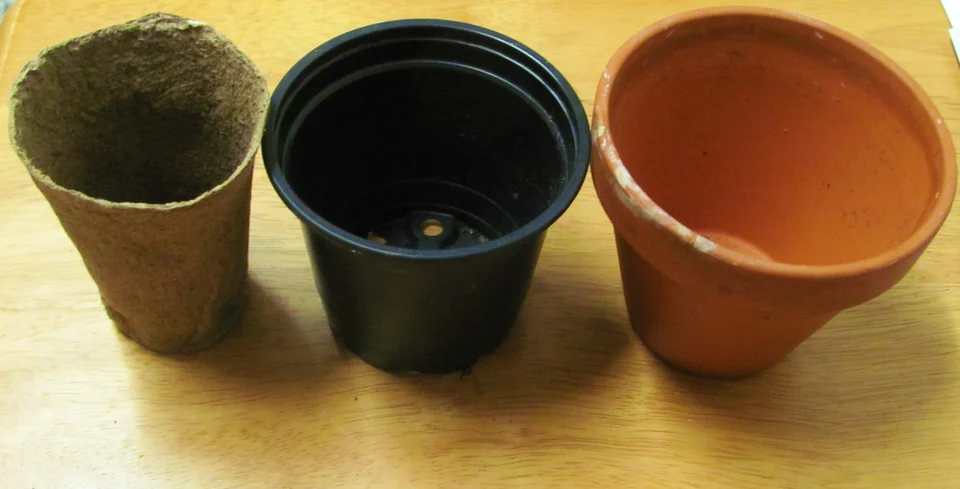
A container material changes more than the appearance of a small garden. It also changes the decisions you will make while checking, watering, moving, and storing the pot. Start with those tasks, then choose the finish you like.
For moisture management, University of Illinois Extension identifies terracotta and fabric as porous materials that dry faster than nonporous options such as plastic and glazed ceramic. That is a useful general comparison, but it is not a timetable: two pots still differ in size, location, plants, and growing media. Illinois container guide
Plastic: look at the actual product
A plastic pot can be convenient when you need a manageable empty container. Inspect the drainage arrangement, its intended outdoor use, and how it will be supported. Pick it up and examine its base rather than judging it only from the rim.
Ask what happens when the plant becomes larger. Where will the foliage extend, and how will you reach the water outlet? A light empty vessel does not settle questions about the planted container's stability or filled weight. Those deserve a separate check.
If you plan to repurpose a vessel for food plants, establish its original use and suitability before planting. An unknown storage container is not made appropriate by drilling a few holes.
Terracotta: make room for its care
If you like unglazed clay, include its moisture behavior in your watering plan. Place a new planting somewhere you can inspect easily while learning how that particular combination dries. Do not transfer the watering calendar from a neighboring plastic pot without checking the media.
Think about storage before buying several matching pots. Will they remain outside through freezing weather? Is there somewhere to move them if their product instructions require protection? The Illinois guide advises protecting or bringing clay and terracotta pots indoors for winter to reduce cracking risk. Local weather and the actual pot still matter.
Fabric: examine the setup, not just the handles
A grow bag needs a location just as carefully chosen as a rigid pot. Consider its footprint when filled, whether you can reach around it, and where drained water will go. Check the manufacturer's instructions for support, lifting, cleaning, and reuse.
Fabric construction does not establish a particular lifespan or make a bag biodegradable. Nor does a photograph of abundant vegetables prove that every bag will improve yield. Choose a documented product and a plant-appropriate capacity, then judge its care needs in your own conditions.
Make one manageable comparison
For a first purchase, write down your watering availability, storage space, intended crop, and whether the filled pot must move. Use those answers to narrow the choice. If you try another material later, keep a note of what changed; otherwise it is easy to attribute a difference in plant behavior to the pot when location or media also changed.
This is a qualitative guide. It does not report side-by-side trials, evaporation ratios, wind ratings, or a safety ranking. The Illinois source supports material-related moisture and winter-care considerations; it cannot choose a universally best pot for every reader.