 Indiiramma Garden
Decide When to Water by Checking the Root Zone
A watering reminder should prompt an inspection, not an automatic pour. Check the medium where roots are growing and learn the weight of each pot before deciding what it needs.
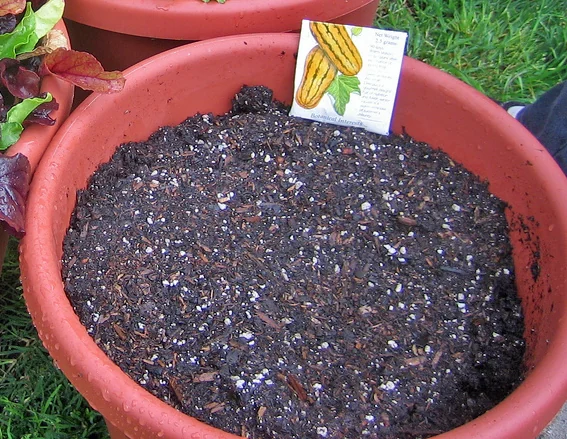
Check the plant before choosing the test
A basil pot, a cactus, and a young seed tray should not share one dryness rule. Keep the plant name and its basic moisture preference with the container. The purpose of an inspection is to decide whether that particular root zone is approaching its appropriate watering point. A dry-looking surface is only the beginning of that inspection.
Use a clean finger where it can enter without tearing roots, and compare the feel below the surface with the top layer. A very shallow planter may not allow the same check as a deep pot. If the mix is densely rooted or difficult to reach, avoid forcing a probe through the crown. A second clue is more useful than a damaged plant.
Learn two weights for one container
For a pot you can lift safely, notice its weight after normal watering and drainage. Compare it with the same pot as the medium dries. The difference can help you recognize water use without pretending that a single weight fits every container. Do not attempt this with a heavy planter or an unstable shelf.
Keep the comparison consistent: the same pot, without a full decorative cachepot or a changing pool in the saucer. A light container plus dry medium supports a watering decision. A drooping plant in a still-heavy, wet pot calls for checking drainage and root health instead of adding another drink.
Make the next check fit the conditions
After watering, note what changed: a hotter location, stronger wind, a larger canopy, or a recently repotted root ball. Check sooner when conditions are drying the pot rapidly. A reminder can still be useful, provided it means inspect rather than water regardless.
Rain does not settle the question for an outdoor container. Leaves, an overhang, or a short shower may leave much of the medium dry. Conversely, cool cloudy weather may leave yesterday's water in place. Record the observation and the decision separately: dry below the surface, watered; or still moist, checked again later. That small distinction turns a routine into care responsive to the plant.
Sources and scope
- University of Maryland Extension, Watering Indoor Plants.
- Royal Horticultural Society, How to water containers.