 Indiiramma Garden
White Crust on Potting Mix Needs Context
A pale surface deposit is an observation, not a chemical analysis. Before scraping it away or applying a fungicide, describe where it occurs, how it looks, and what has been added to the container. White material on growing media can lead to very different investigations.
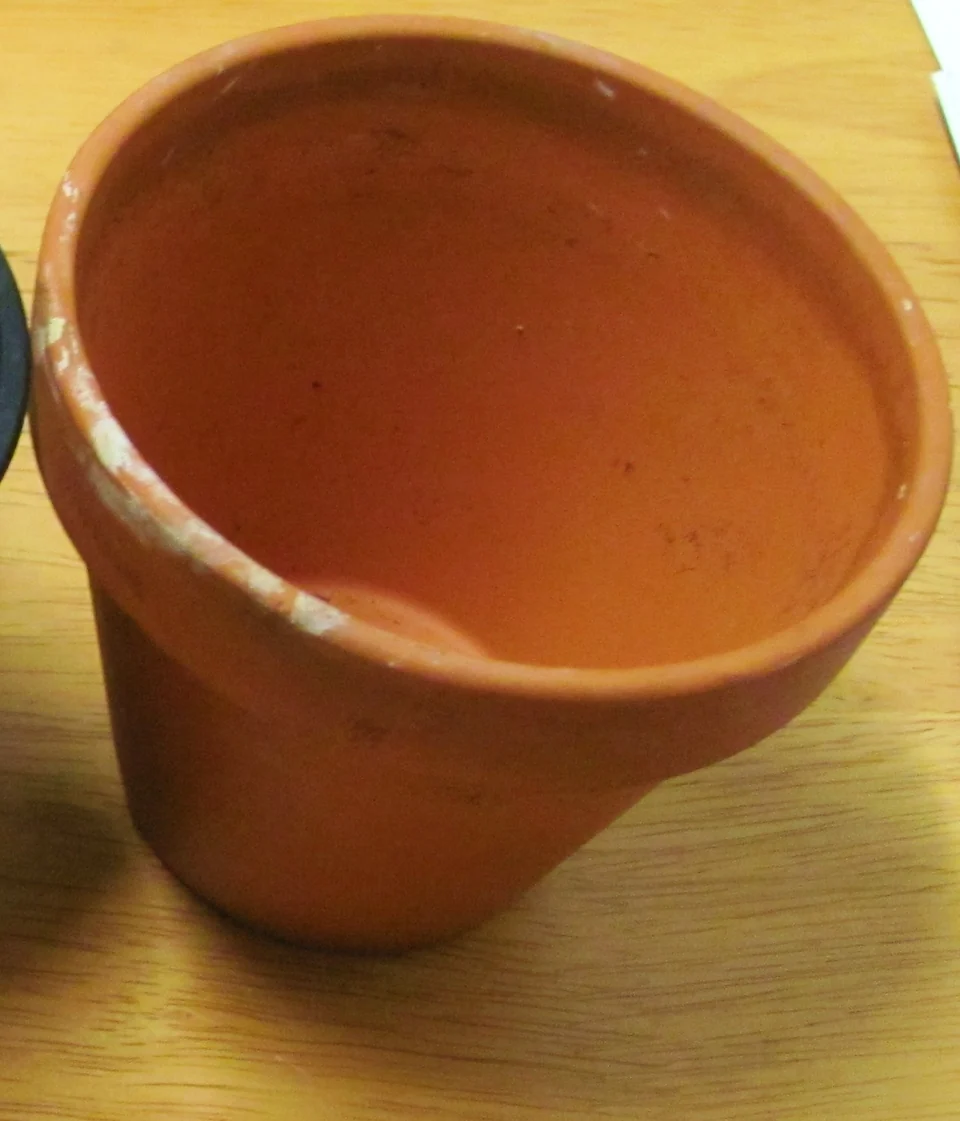
University of Maryland Extension describes mineral and fertilizer deposits as crystallized coatings or crusts on media, pots, or leaves. Its guidance links these deposits with water quality and soluble fertilizers. Maryland mineral and fertilizer deposit guide
That information makes salt accumulation a possibility. It does not identify every white patch in a photograph as salts.
Record the location before disturbing it
Look at the surface, pot rim, drainage area, and any affected leaves. Is the material firm and crust-like, or does it look fuzzy? Is it a new layer over the media, or pale particles already present throughout the mix? Photograph the whole pot and a close view in ordinary light.
Keep the description neutral. “Pale crust on the rim and surface” is more useful than labeling it “toxic mold” before identification. Do not taste deposits, smell them closely, or improvise a household chemical test.
Review whether the plant is otherwise changing. Note wilting, leaf-tip damage, slow growth, or no apparent decline. Those details help determine urgency, but none identifies the deposit alone.
Reconstruct water and feeding history
Find the fertilizer label and record the amount and dates actually used. Include nutrients supplied in the media and any additives put into the water. Check the water source, especially if it changed recently.
Inspect the drainage arrangement. Colorado State's PlantTalk explains that salts can accumulate when outflow remains beneath a pot and is reabsorbed. Colorado whitish-crust guidance
For an ordinary pot, make the saucer or cover accessible and manage unintended retained water. For a designed reservoir, consult the system's instructions rather than applying a top-watered-pot rule blindly.
Let identification guide removal
If the evidence points to accumulated salts, discuss suitable water, feeding, and media management for the plant. Leaching is appropriate only when the setup allows drainage and the plant's root condition can tolerate the operation. Do not repeatedly flood an already waterlogged container simply to remove a white surface.
If the material looks like surface growth or remains uncertain, seek identification with the photographs and history. A fungicide is not a general cleaner for pale media. Scraping off what you can see may improve appearance without resolving the underlying conditions.
These sources concern salt deposits; they do not prove that a particular fuzzy patch is harmless or identify a mold species. No chemical concentration, universal flushing volume, or diagnosis from color is provided here. The aim is to make the next action fit the evidence rather than treating every white surface alike.