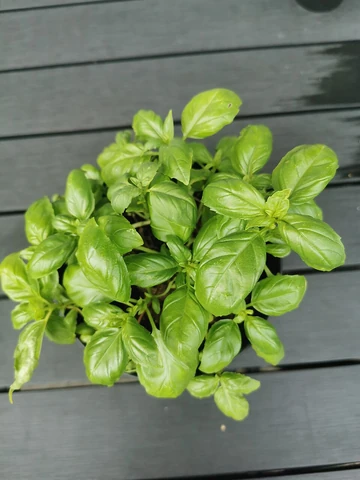
Useful basil starts with a plant you can keep actively growing and harvest regularly. For sweet basil, Ocimum basilicum, a sunny position and a draining root zone belong together. A bright location does not excuse leaving water trapped around the pot.
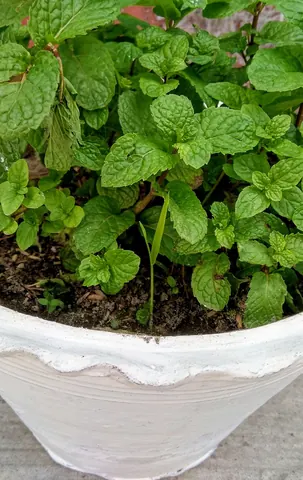
Mint is a useful candidate for a separate pot because its spreading habit can complicate a shared planting. Give it a space you can inspect on all sides, rather than squeezing it among herbs you intend to keep for several seasons.
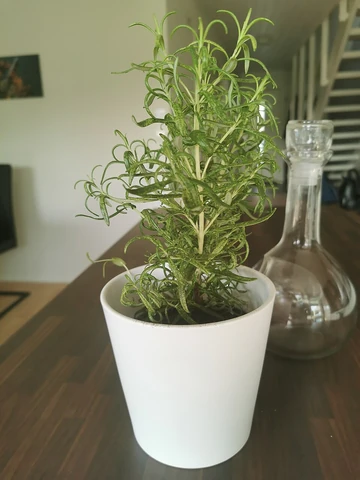
A rosemary plant can struggle in a damp pot even when its foliage looks dry. Before adding water, examine the growing media, the outlet, and the light available to the plant. Repeating one response to every symptom can make the original problem harder to understand.
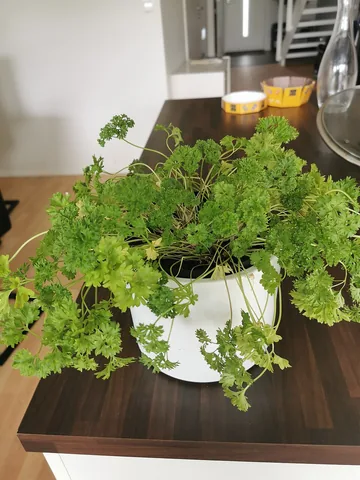
Parsley is a crop worth labeling when you sow it. Its slower emergence can make an apparently empty container tempting to reuse before the seedlings have had a fair chance. Mark the sowing date, keep the seed packet, and make room for the plant you intend to harvest.
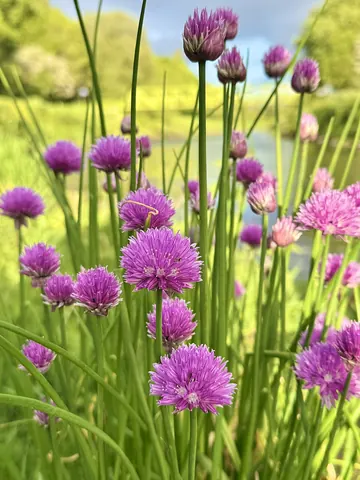
A pot of chives suits the cook who wants a small amount at a time. Its clump of slender leaves makes it easy to take a few for a meal and leave the remainder growing. The useful habit is to inspect the plant as you harvest, rather than cutting automatically whenever you pass it.
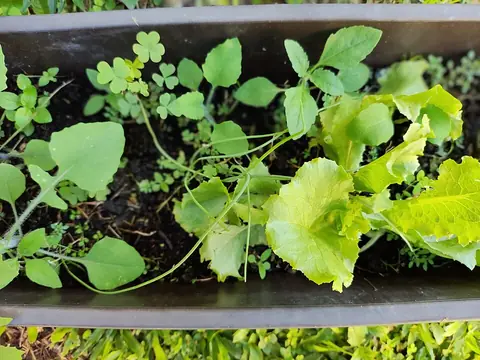
Lettuce is easier to plan when harvest is treated as a stage to reach rather than a container to keep indefinitely. Choose the type of leaves you want, sow for an appropriate local growing period, and begin picking while their quality is useful.
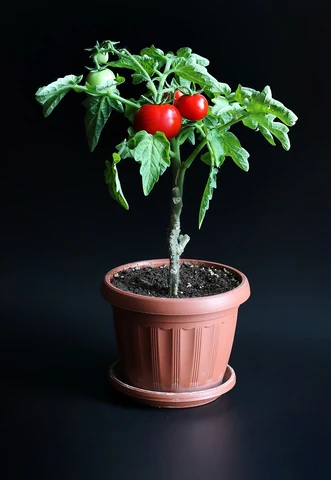
The most useful words on a tomato label may describe the plant rather than the fruit. A photograph of a small cherry tomato does not tell you that its vine will be small. Before purchasing, find the cultivar's growth habit and expected mature size.
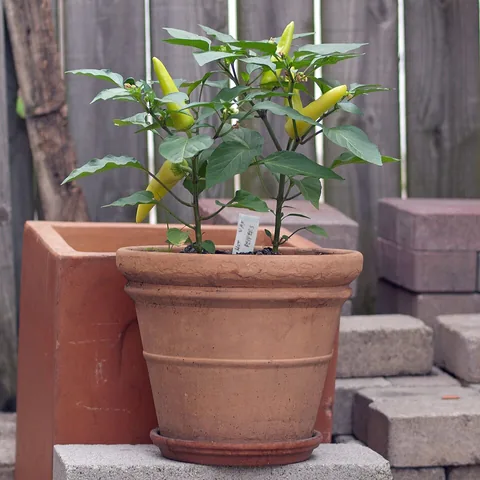
A pepper that sits still after planting may be responding to its conditions rather than asking for more fertilizer. Start by looking at the weather and root-zone moisture, then examine the plant's stage and cultivar. A small container garden makes it possible to keep that history for each plant.
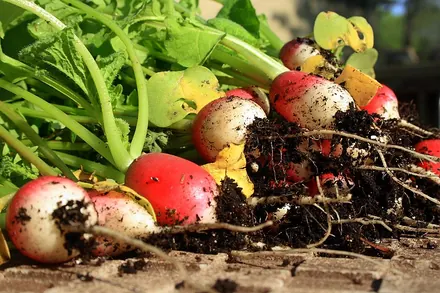
Radishes can produce an impressive patch of leaves while the part you intended to harvest remains disappointing. Before blaming the seed, check what type you planted, how much space it received, and whether you inspected it at the right stage.
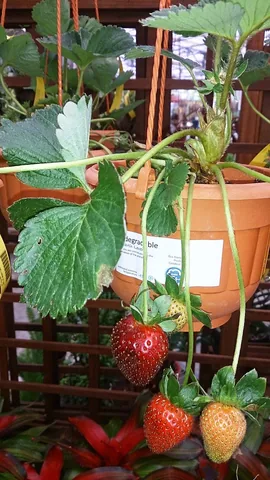
Before planting a strawberry, identify its crown: the short central part connecting the roots with the leaves and new growth. Positioning that structure matters more than making the pot look full immediately. Do not use extra growing media to hide it.
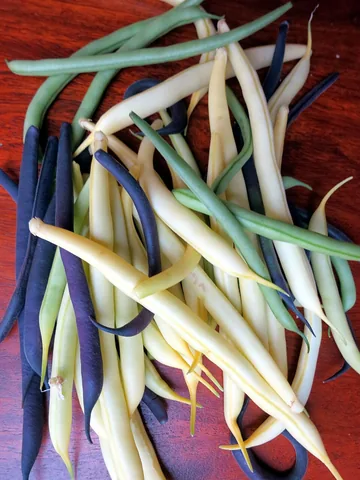
A dwarf or bush bean does not need the climbing framework of a pole bean. For a small container project, begin by confirming the habit and deciding what you intend to harvest. Support should answer an actual need in the setup, rather than turning every bean into a climbing crop.
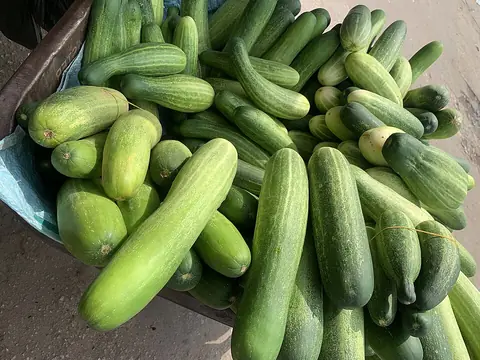
“Compact cucumber” can mean a smaller plant habit, a container recommendation, or a description of the fruit. Before choosing a trellis, find the cultivar's actual vine length and growth habit. A short cucumber fruit does not necessarily arrive on a short vine.
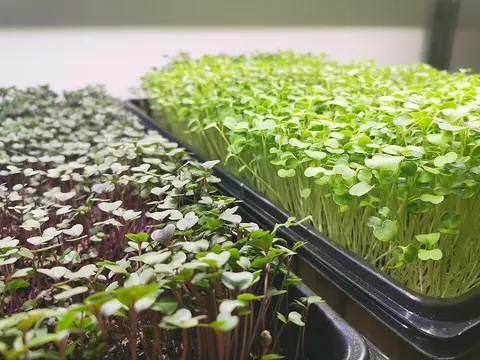
Begin a first microgreen project with one small tray and one identified edible crop. That makes the seed instructions, growth stage, and daily checks easier to follow than a mixture of seedlings developing at different rates.
Yellowing is a useful observation, but it does not name the problem. Before feeding a plant, record which leaves changed, what changed in its care, and what the growing media feels like. A diagnosis that begins and ends with leaf color can send you toward the wrong treatment.
Pause before watering a wilted plant. The first useful question is whether its roots are short of available water or are struggling in an already wet environment. The leaves alone do not distinguish those situations.
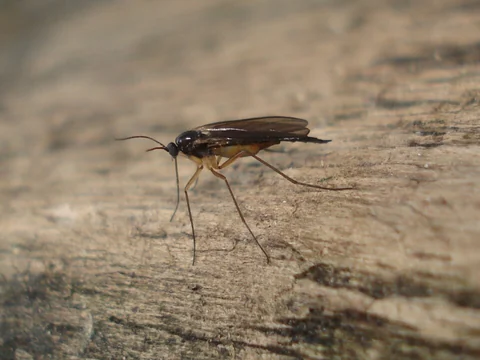
Tiny flies near a pot are a reason to inspect, not enough to name a pest. Look at where they gather, what they look like, and whether the growing media remains wet. Fruit flies, shore flies, and other small insects can be mistaken for fungus gnats.
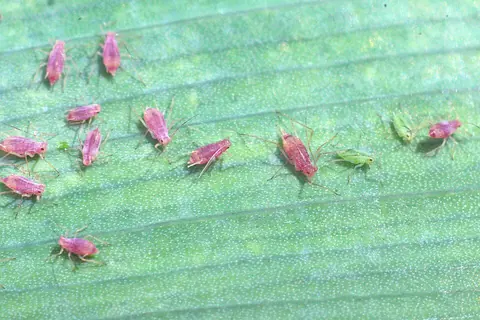
Turn a shoot gently and look beneath its youngest leaves when checking a container plant. Aphids often gather where tender growth is developing, so a quick glance at older outer foliage can miss them. Find the insects before choosing a response.
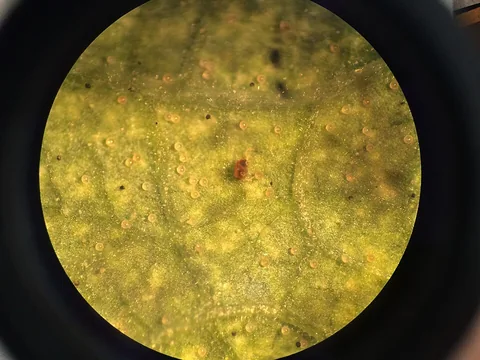
Fine pale speckling on a leaf deserves a closer look beneath it. Spider mites are one possible cause, but a damaged leaf and an ordinary spider's web are not enough to diagnose an infestation. Look for several kinds of evidence in the same area.
A pale surface deposit is an observation, not a chemical analysis. Before scraping it away or applying a fungicide, describe where it occurs, how it looks, and what has been added to the container. White material on growing media can lead to very different investigations.
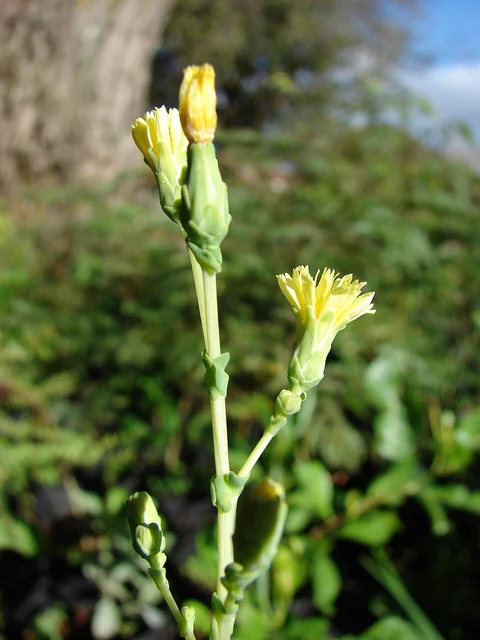
A leaf crop that raises a central flower stalk is changing its growth stage. That transition deserves a different decision from an ordinary watering or feeding problem. First establish which crop you have and whether the new structure is reproductive growth.
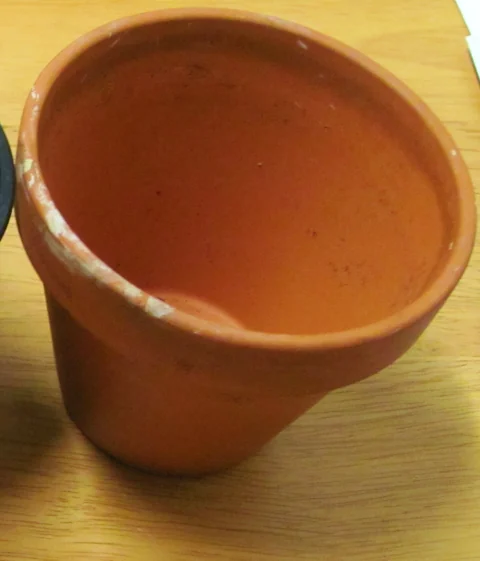
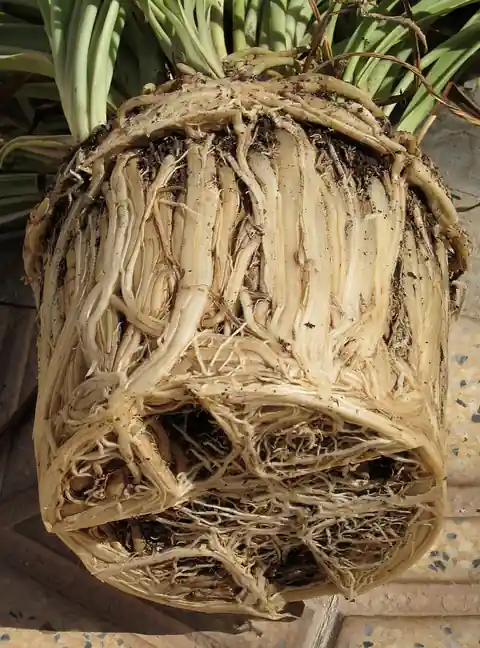
A plant that stops extending leaves may need a root inspection, but it does not automatically need a larger pot. Check the growing conditions and the root ball together before buying another container. Crowding, damaged roots, unsuitable media, and ordinary seasonal slowdown lead to different decisions.
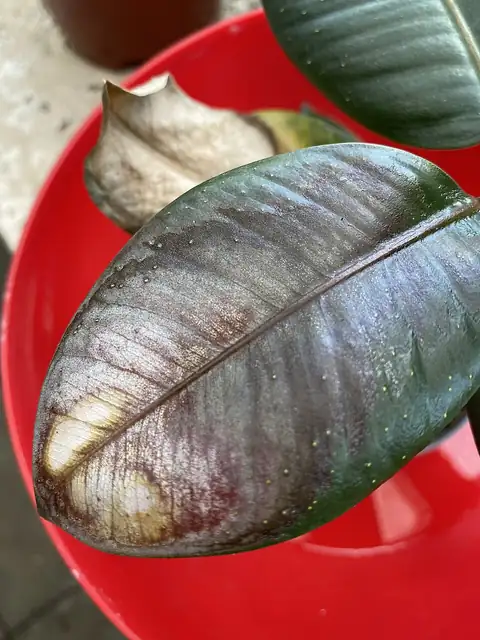
Pale damaged patches after a move into stronger light should prompt a review of exposure as well as moisture. Giving more water is not a reliable response to every bleached leaf. Start with where the plant was, where it moved, and when the damage appeared.
 Indiiramma Garden