 Indiiramma Garden
Repot Without Jumping to an Oversized Container
Inspect roots and select a measured container increase appropriate to the plant group.
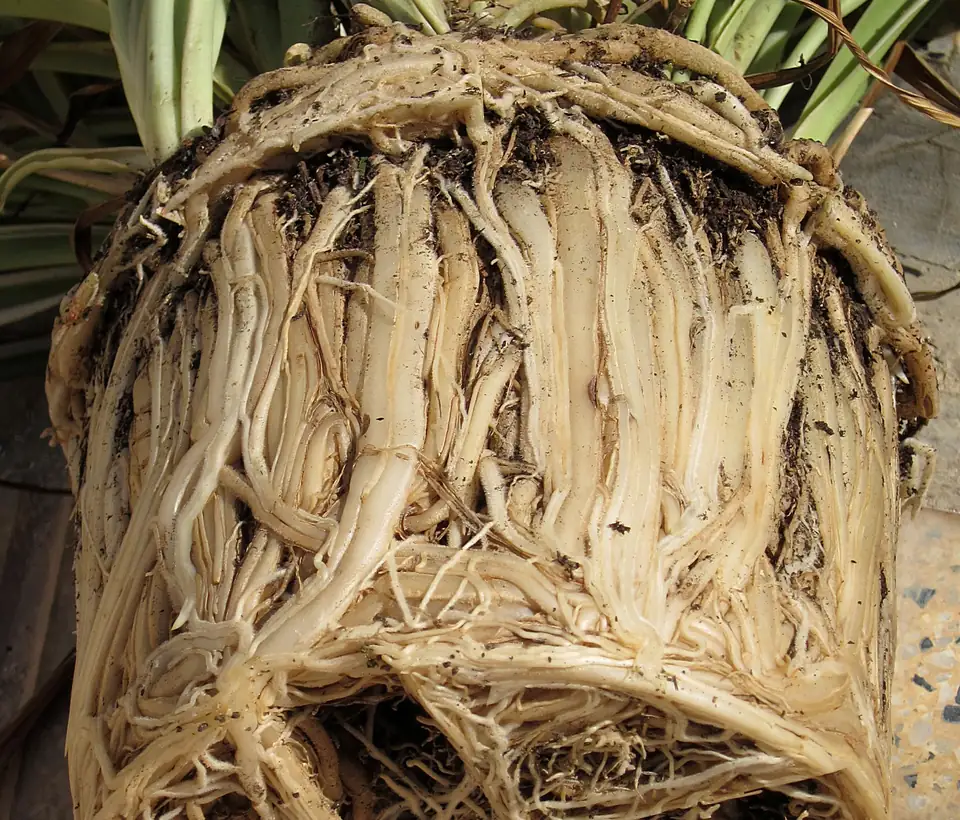
A struggling potted plant does not automatically need a much larger home. Before buying a replacement container, find out whether the roots have filled the present one and whether the growing media or care routine also needs attention. A bigger vessel changes the amount of media you must manage; it does not identify the original problem.
For houseplants, Illinois Extension warns that overpotting can leave media wet for too long. Its guidance suggests moving up one pot size, commonly an increase of one to two inches in diameter. Illinois houseplant container guidance
That is a useful houseplant starting point, not a maximum increase for every plant grown outdoors.
Inspect before choosing the next pot
Look at the drainage openings and surface, then examine the root ball if it can be removed safely. Prepare a work area first so that the plant can be supported while you inspect it. Avoid pulling on the stem to force it out; N.C. Cooperative Extension specifically cautions against this. Wayne County repotting guidance
Consider the roots together with the recent care history. Has the pot been drying unusually quickly? Are roots crowded around its shape? Has the growing material deteriorated? These observations are more informative than a rule that every plant must move to a larger pot each year.
Yellow leaves or slow growth alone cannot establish root crowding. If symptoms are unexplained, identify the plant and review its light, water, and health needs before treating repotting as a cure.
Allow a measured amount of room
Compare the root ball with the inside of the candidate pot. Check the usable depth and any insert rather than relying only on the exterior label. Make sure the plant can sit at an appropriate planting level with suitable growing media around it.
Plant group matters. University of Georgia Extension gives larger diameter increases in its guidance for many woody plants and perennials, with growth rate and environment part of the choice. That advice has a different scope from the modest increase described for indoor houseplants. Georgia repotting basics
If you are moving a nursery shrub, following a houseplant rule without checking its growth requirements is no more reliable than putting a small indoor plant into the largest available planter. Establish which guidance actually applies.
Prepare for the work and the aftercare
Gather the new pot, appropriate media, and tools before disturbing the roots. Check the drainage arrangement and make sure you can water and handle the assembled container where it will stand. A large planter may be easier to prepare in its intended position.
Use species-specific advice for difficult root conditions. Cutting roots, dividing a plant, and moving it intact are different operations. Do not copy a root-pruning measurement from a woody-plant guide onto an unfamiliar succulent or orchid.
After planting, record the change in container and media. Continue checking moisture instead of carrying over the old watering calendar. If you use a decorative cover, retain access to inspect any drained water.
Repotting timing should follow the plant's growth and local conditions. A source's reference to spring is not a worldwide month-by-month schedule. The advice here establishes neither a compulsory annual routine nor a recovery guarantee; it helps make the next container a deliberate choice.