 Indiiramma Garden
Clean Leaves Without Gloss Products
Remove ordinary dust with the gentlest method suited to the leaf. The aim is a clean surface you can inspect, not an artificial shine or a home-made coating.
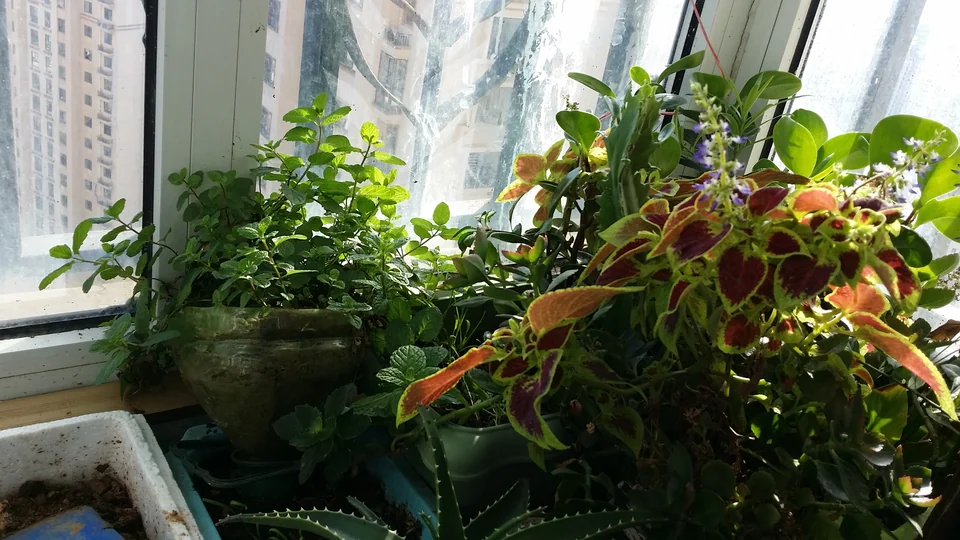
Inspect before wiping
Look closely at the material on the leaf. Loose household dust is different from sticky residue, fixed bumps, webbing, or a spreading lesion. If something may be a pest or disease, identify it before treating a whole collection as a cleaning job. Keep that plant apart from others while you investigate.
Match the method to the surface. A large smooth leaf can often be supported from underneath and wiped lightly with a soft damp cloth. Hairy, powdery, delicate, or easily marked leaves need species-specific handling; do not assume every plant should be scrubbed or put under a shower.
Use water and light pressure
University of Minnesota Extension recommends gentle damp wiping for suitable broad-leaved plants and rinsing suitable sturdier plants with lukewarm water. Work with the plant supported so a moving cloth does not pull at the leaf stalk. Rinse or change the cloth as it picks up dust rather than spreading the same residue over every leaf.
If rinsing is appropriate, protect the work area and allow the pot to drain afterward. Avoid turning a leaf-cleaning task into prolonged saturation of the root zone. Let the plant return to its normal suitable conditions instead of placing wet foliage immediately in an unfamiliar harsh position.
Leave the natural finish alone
Skip oils, mayonnaise, and gloss mixtures intended to make the surface look polished. Extension guidance says leaf-shine products are unnecessary. A matte leaf does not need to be made glossy, and a clean plant does not need to resemble a showroom photograph.
Use the opportunity to inspect the undersides, leaf stalks, and emerging growth. Cleaning may reveal a problem that dust concealed, but it is not a replacement for diagnosis or a pesticide treatment. Note persistent marks rather than rubbing harder to remove living tissue. Repeat ordinary dust removal when it is needed; a weekly polishing routine adds work without establishing that the plant benefits.
Sources and scope
- University of Minnesota Extension, Spring houseplant care.